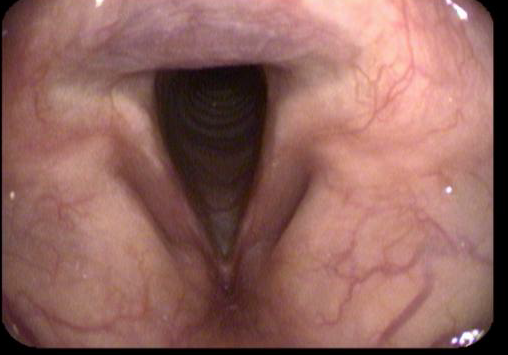
Have you noticed that your voice feels tired by the time you reach home from work? Or perhaps you have a dry, nagging “tickle” in your throat that no amount of honey and ginger seems to fix? It could be because of excessive talking you have to do at your workplace. But there may be something more to this.
In Bengaluru, we often blame the “changing weather.” But with the city’s AQI frequently fluctuating, the real culprit might be Environmental Laryngitis.
What is Environmental Laryngitis?
Your vocal cords are covered by a thin, delicate layer of mucus. When you breathe in Bengaluru’s traffic exhaust and suspended road dust (PM2.5 particles), this layer dries out. The result? Your vocal cords become “sticky” and inflamed. Smoking can often add up to this insult and passive smoking is no exception. At a time when we need our voice for much of our work, this can be of a major concern which on the long run can impact our career. It is therefor essential to identify this at the earliest and take precautions accordingly.
3 Signs Your Voice is Reacting to Pollution:
- The “Morning Rasp”: Your voice is hoarse in the morning but improves slightly once you’re in a filtered AC environment.
- Constant Throat Clearing: You feel like there is “dust” or a “film” on your throat that you can’t clear.
- Loss of Vocal Range: Singers and speakers might find they can no longer hit high notes or maintain volume without straining.
Approach to “Pollution Proofing” Your Voice:
Here is what you can do to prevent pollution from harming your voice.
- Systemic Hydration: If your body is dehydrated, your vocal cords are the first to suffer. Drink 3 liters of water daily. “Pee Pale”- Urine should be clear; yellow/ dark urine means you are dehydrated.
- Steaming, Not Gargling: Saltwater gargles can actually irritate an already dry throat. Use a plain steam inhaler for 5 minutes after commuting to rehydrate the vocal fold mucosa directly. Also, gargling will not reach your larynx; it is meant to relieve sore throat.
- The ‘Nose-Breathing’ Rule: Your nose is a natural air filter. Breathing through your mouth during your commute sends unfiltered pollutants directly to your larynx.
When to see a Laryngologist?
If your voice change or “pollution cough” lasts for more than two weeks, it’s time for a specialized check-up. We use Digital Stroboscopy to ensure the pollution hasn’t led to more serious issues like vocal cord “swelling” (edema) or polyps.
Check out my other Blogs