Have you recently undergone a thyroid, neck, or chest surgery and noticed that your voice hasn’t returned to normal? Is it breathy, weak, or do you find yourself running out of air while speaking? You might be told to “just wait,” but as a Laryngologist, I know that early intervention can be life-changing.
What is Vocal Cord Paralysis?
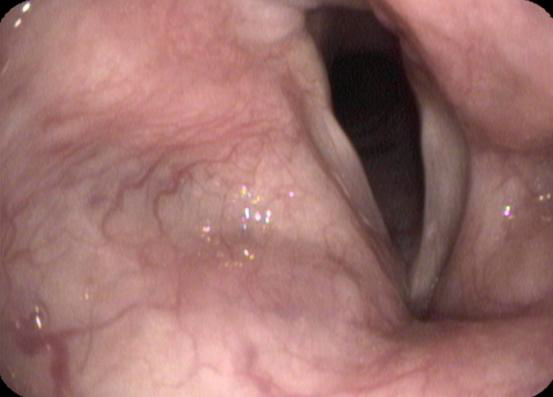
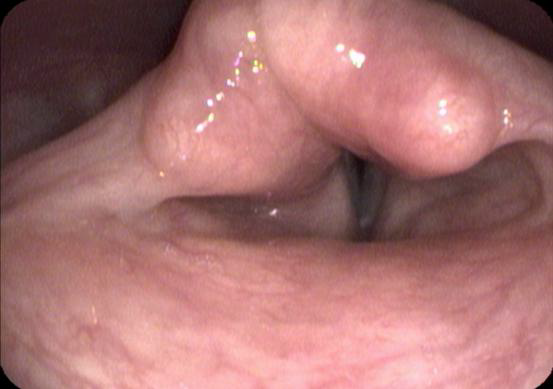
The vocal cords are like two doors that must close perfectly for you to speak, cough, and swallow. If the nerve that supplies the vocal cords (the Recurrent Laryngeal Nerve) is damaged—often during complex surgeries—one “door” may get stuck in an open position. This leads to a “breathy” voice and, more dangerously, the risk of food or liquid entering your lungs (aspiration). Although it is commonly seen after neck surgeries like Thyroidectomies, it can happen with no reason or rarely from cancers in the neck or chest. When here is injury to both vocal cords, it can lead to difficulty breathing while voice appears normal.
The Recent Approach: Why Wait?
It was initially though that these cases need to wait for 6 months to 1 year to see where the vocal cords finally settle down in positiona nd then treat. Immediate treatment was offered only for voice professionals. But recent research differs and earlier the intervention, better is the outcome. During my Fellowship at UAB, USA, we moved away from the old “wait and watch for a year” philosophy. Modern Laryngology offers several ways to restore your voice almost immediately:
- Injection Laryngoplasty (Vocal Cord Fillers): A quick, often office-based procedure where we “bulk up” the paralyzed cord so the healthy one can reach it. This restores your voice and your ability to cough safely. Evidence based research suggests that earlier the injection, better is the compensation and the need for undergoing Thyroplasty is reduced. This can be offered anytime with immediate results without the need for admission. This is certainly a boon for people who need their voice for their professional needs and can resume their work the next day.
- Thyroplasty (Permanent Framework Surgery): For permanent cases, we place a small implant to reposition the paralyzed cord. Ideally this is done after a waiting period of 6 months to 1 year.
- Laryngeal Reinnervation: In specific cases, we can actually “rewire” the nerves to maintain the muscle tone of the vocal fold.
- Voice therapy: This is provided immediately after diagnosis of vocal cord palsy. However, as per recent research this has got better results if combined with injection laryngoplasty.
Why Specialized Care Matters in Bengaluru
A general ENT exam might see the paralysis, but a Laryngologist uses Stroboscopy to assess the “glottic gap” and the health of the surrounding tissue. This precision ensures that the treatment plan is tailored to whether you need a temporary “fix” while the nerve recovers or a permanent surgical solution.
Injection Laryngoplasty is done as an out patient procedure and can help you get back your voice within no time. So why wait for months to see if your voice gets better or not when you can get back your voice NOW!
Don’t suffer in silence. If your voice is weak after surgery, your quality of life matters today, not a year from now.
Check out my other blogs
“Silent Reflux” (LPR): Why your throat clearing isn’t just an allergy
The Singer’s Guide to Vocal Nodules: Recovery Without Losing Your Career
Why Bengaluru’s Air is Making Your Voice Feel ‘Heavy’: The Truth About Environmental Laryngitis
World Voice Day 2026: Why Bengaluru is Finally Tuning Into Specialized Voice Care