For a professional singer, teacher, or public speaker, a change in voice isn’t just a nuisance—it’s a threat to their livelihood. If you’ve noticed your “high notes” disappearing or your voice feeling “breathy” after a long day, you might fear the word Nodules.
But here is the good news: With modern Laryngology, “Nodules” do not have to mean the end of your career.
What are Vocal Fold Nodules?
Think of vocal nodules like “calluses” on your hands. They are small, non-cancerous growths that develop on the vocal cords due to repetitive strain or “vocal misuse.”
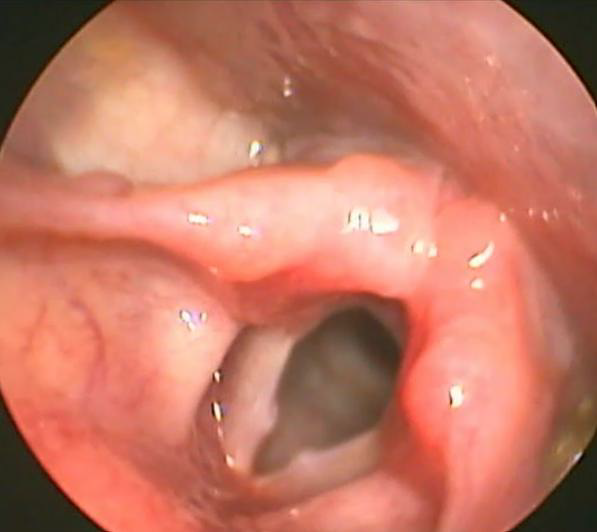
Why a Specialist Laryngologist is Different
In many clinics, a doctor might use a simple mirror or a thick flexible scope to look at your throat. While this shows the nodules, it doesn’t show the vocal cord vibration.
At Kushaan ENT & Voice Clinic, we use Digital Stroboscopy—a technology I specialized in during my Fellowship at UAB, USA. This allows us to see your vocal cords in “slow motion,” identifying exactly how the nodules are affecting your sound.
Approach to Recovery:
- Vocal Hygiene: It’s not just about drinking water; it’s about specialized hydration protocols for the vocal folds.
- Collaborative Therapy: We work closely with Speech-Language Pathologists (SLPs) to retrain how you use your voice, often resolving nodules without surgery.
- Precision Surgery (Only if needed): If surgery is required, we use Phonosurgery—microsurgical techniques designed to preserve the delicate “mucosal wave” of the vocal cord. This is the difference between “getting your voice back” and “getting your singing voice back.”
Don’t Wait for the “Crack”
If you are a professional voice user in Bengaluru and your voice hasn’t felt “right” for more than two weeks, don’t ignore it. Early intervention by a Laryngologist can prevent permanent scarring.
Sometimes, untreated Silent Reflux can worsen vocal strain. Read our guide on LPR here